This product was not featured by Product Hunt yet. It will not be visible on their landing page and won't be ranked (cannot win product of the day regardless of upvotes).
Commit Intent
Pre-commit hook that writes an intent doc by mining AI chats
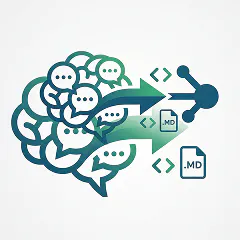
Git records what changed, not why. When AI writes a 300-line diff, the reasoning, constraints, and decisions stay behind in chat logs on your disk. That's the newest technical debt: lost context. At commit time, it matches session transcripts to your staged files and uses the Claude Code CLI you already have to distill the intent into docs/intents/, staged into the same commit as the code it explains. The why travels with the what. No new platform, no new workflow, no commit ever blocked.
Hey Product Hunt! 👋
Adrian here. This came out of pure frustration: I'd open a file Claude Code wrote three weeks ago, have zero memory of why it handled an edge case that way, and know the answer was sitting in a chat transcript somewhere on my disk. Git blame told me nothing. The AI that wrote it couldn't remember either.
So I built the smallest possible fix: at commit time, match the session transcripts to the staged files, distill the intent into a markdown doc, and commit it alongside the code. No new platform, no workflow change. It uses the Claude Code CLI you already have installed.
A few honest notes:
It only helps if you code with AI in sessions it can find. Hand-typed hotfixes just pass through.
The intent docs are only as good as the distillation, so I'd genuinely love examples where it got the "why" wrong.
Biggest question I'm wrestling with: should the intent doc live separately from the planning doc used to generate the code? Curious what this community thinks.
Thanks for checking it out!
Staging the intent docs into the same commit as the code itself is such a clean move, it keeps the why and the what physically inseparable in git history. Nice execution on something that could've easily turned into another dashboard.
Love that it stages the intent docs into the same commit. One thing that would make this way more useful for my team: let me link related commits or PRs so the intent doc can reference the follow-up context, not just the initial why. Right now if a decision evolves across three commits, the original intent gets stale fast.
About Commit Intent on Product Hunt
“Pre-commit hook that writes an intent doc by mining AI chats”
Commit Intent was submitted on Product Hunt and earned 6 upvotes and 3 comments, placing #145 on the daily leaderboard. Git records what changed, not why. When AI writes a 300-line diff, the reasoning, constraints, and decisions stay behind in chat logs on your disk. That's the newest technical debt: lost context. At commit time, it matches session transcripts to your staged files and uses the Claude Code CLI you already have to distill the intent into docs/intents/, staged into the same commit as the code it explains. The why travels with the what. No new platform, no new workflow, no commit ever blocked.
Commit Intent was featured in Software Engineering (42.7k followers), Artificial Intelligence (473.8k followers), GitHub (41.3k followers) and Vercel Day (28 followers) on Product Hunt. Together, these topics include over 141.1k products, making this a competitive space to launch in.
Who hunted Commit Intent?
Commit Intent was hunted by Adrian Bunge. A “hunter” on Product Hunt is the community member who submits a product to the platform — uploading the images, the link, and tagging the makers behind it. Hunters typically write the first comment explaining why a product is worth attention, and their followers are notified the moment they post. Around 79% of featured launches on Product Hunt are self-hunted by their makers, but a well-known hunter still acts as a signal of quality to the rest of the community. See the full all-time top hunters leaderboard to discover who is shaping the Product Hunt ecosystem.
Want to see how Commit Intent stacked up against nearby launches in real time? Check out the live launch dashboard for upvote speed charts, proximity comparisons, and more analytics.

 Adrian Bunge