Create your own release protection in plain English to flag or block team code changes, so you instantly know if everything’s on track or breaking the rules.
We’re super excited to launch Warestack’s first official, enterprise-ready release today 🚀
Why we built Warestack
Working as a team and want to stay on top of things?
What if someone accidentally merges into a critical branch. How soon would you know?
Who it’s for
Warestack is built for DevOps teams, engineering managers, and fast-moving organizations who need to keep quality under control without slowing down delivery.
What it does
It works alongside your CI/CD pipelines, GitHub protection rules, and deployment checks (not replacing them) and allows you to:
Create rules in plain English.
Trace violations of rules against your daily Ops.
Monitor every code event in a single view.
Get notified instantly about rule violations via Slack and Linear.
Extract reports for any timeframe and event.
Why it’s different
Today there are two ways of protecting your Ops:
Create a contribution list and ask everyone to follow it, but everyone forgets about it.
Use branch protection in GitHub, but these rules are static, made for the codebase not your team daily needs.
Warestack adapts dynamically:
Rules can evolve in context (e.g. PR size limits, required reviewers, deployment safety checks).
You get continuous insights even after merges, not just pre-checks.
Works seamlessly with GitHub, Slack, and Linear to keep everyone aligned.
Watchflow, our open-source preview (test your own rule ideas without signup): https://watchflow.dev/
We built Warestack to give teams back control, visibility, and traceability — without adding friction.
💬 We’d love to know: what’s the first release protection rule you’d write in plain English for your team?
Thanks for checking us out and supporting our launch 🙌
About Warestack on Product Hunt
“Agentic guardrails for safe releases”
Warestack launched on Product Hunt on August 20th, 2025 and earned 447 upvotes and 54 comments, earning #1 Product of the Day. Create your own release protection in plain English to flag or block team code changes, so you instantly know if everything’s on track or breaking the rules.
On the analytics side, Warestack competes within Software Engineering, Developer Tools and GitHub — topics that collectively have 605.9k followers on Product Hunt. The dashboard above tracks how Warestack performed against the three products that launched closest to it on the same day.
Who hunted Warestack?
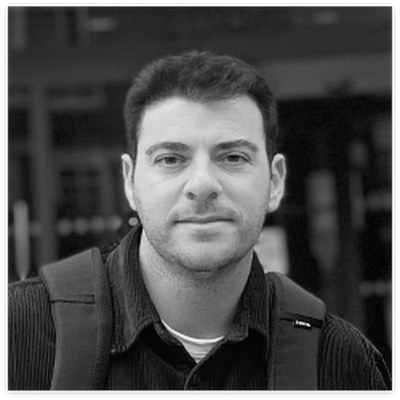
Warestack was hunted by Dimitris Kargatzis. A “hunter” on Product Hunt is the community member who submits a product to the platform — uploading the images, the link, and tagging the makers behind it. Hunters typically write the first comment explaining why a product is worth attention, and their followers are notified the moment they post. Around 79% of featured launches on Product Hunt are self-hunted by their makers, but a well-known hunter still acts as a signal of quality to the rest of the community. See the full all-time top hunters leaderboard to discover who is shaping the Product Hunt ecosystem.

 Dimitris Kargatzis
👋 Hey Product Hunt!
We’re super excited to launch Warestack’s first official, enterprise-ready release today 🚀
Why we built Warestack
Working as a team and want to stay on top of things?
What if someone accidentally merges into a critical branch. How soon would you know?
Who it’s for
Warestack is built for DevOps teams, engineering managers, and fast-moving organizations who need to keep quality under control without slowing down delivery.
What it does
It works alongside your CI/CD pipelines, GitHub protection rules, and deployment checks (not replacing them) and allows you to:
Create rules in plain English.
Trace violations of rules against your daily Ops.
Monitor every code event in a single view.
Get notified instantly about rule violations via Slack and Linear.
Extract reports for any timeframe and event.
Why it’s different
Today there are two ways of protecting your Ops:
Create a contribution list and ask everyone to follow it, but everyone forgets about it.
Use branch protection in GitHub, but these rules are static, made for the codebase not your team daily needs.
Warestack adapts dynamically:
Rules can evolve in context (e.g. PR size limits, required reviewers, deployment safety checks).
You get continuous insights even after merges, not just pre-checks.
Works seamlessly with GitHub, Slack, and Linear to keep everyone aligned.
👉 Try it out:
Landing page: www.warestack.com
GitHub Marketplace: https://github.com/marketplace/warestack
Watchflow, our open-source preview (test your own rule ideas without signup): https://watchflow.dev/
We built Warestack to give teams back control, visibility, and traceability — without adding friction.
💬 We’d love to know: what’s the first release protection rule you’d write in plain English for your team?
Thanks for checking us out and supporting our launch 🙌